Chosen Theme: Safety Tips and Highlights: Expert-Guided National Park Hikes
Step into the wild with confidence as we explore safety-first wisdom and unforgettable highlights from expert-guided national park hikes. Learn how guides keep groups secure, informed, and inspired—then subscribe to follow every trail-tested tip.
Before You Lace Up: Smart Prep for Expert-Guided Park Hikes
Gear that Protects without Weighing You Down
Guides swear by essentials that punch above their weight: layered clothing, blister kit, water filter, and headlamp. Pack light, but never skip the items that keep you safe when plans shift unexpectedly.
Weather, Terrain, and Seasonal Alerts to Read Before You Go
National parks change with the season. Trails flood, snow bridges melt, and winds accelerate on ridgelines. Check official alerts, guide notes, and recent trip reports the night before and the morning of departure.
Pre-Hike Briefings: Questions Guides Love to Hear
Ask about turnaround times, wildlife hotspots, and contingency routes. Good guides appreciate proactive hikers who share medical concerns and comfort levels. This creates a safer, smoother day for the entire group.
On the Trail: Safety Habits that Become Second Nature
Pace, Spacing, and the Invisible Safety Net
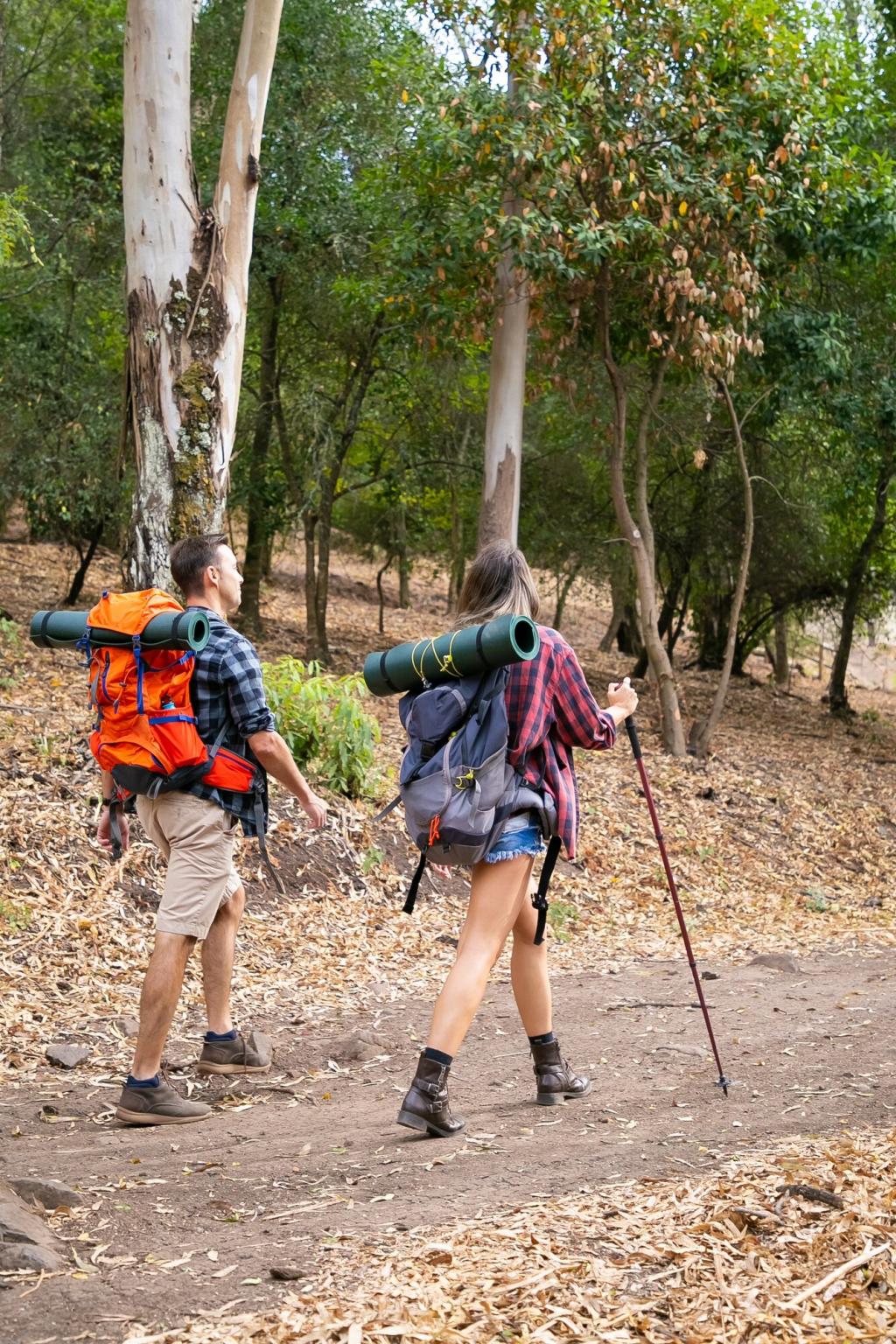
Maintain a conversational pace and visual contact with the person ahead. That spacing lets guides read group energy, spot hazards early, and coordinate rests before fatigue turns into risky decision-making.
Hydration and Nutrition Checkpoints You Won’t Forget
Guides coach steady sipping and bite-sized fueling every forty-five minutes. When hikers wait until thirsty or hungry, judgment dips. Set alarms, rotate snacks, and share reminders so the whole team stays sharp.
Sunrise Ridge Overlook and the Wind Lesson
One guide, Maya, teaches hikers to feel wind changes with outstretched fingers before cresting the ridge. That tiny ritual prevents stumbles on gusty edges and sets the stage for a breathtaking sunrise reveal.
Hidden Waterfall Turnoff Only Locals Mention
A faint spur trail leads to a mossed grotto where spray cools the air by several degrees. Guides time this stop midday, hydrating safely and avoiding slippery rocks while sharing geologic stories of carved basalt.
Historic Fire Lookout with a 360-Degree Safety Brief
At the summit, guides point out lightning routes, shelter options, and storm movement across valleys. The panorama is stunning, but the safety talk anchors hikers in real terrain awareness they remember forever.
Simple Signals and Group Communication Protocols
Hand signals, whistle blasts, and mirrored relays carry faster than shouting. Guides assign a sweep, a mid, and a lead before starting, so messages travel both directions and no hiker feels overlooked.
First-Aid Fundamentals You’ll Actually Use
Blister care, mild hypothermia response, and rolled-ankle support are the big three. Guides demonstrate taping, dry-warm layering, and improvised splints, then encourage hikers to practice so muscle memory takes over.
Navigation Redundancy: Map, App, and Human Expertise
Electronics fail. Guides pair paper maps and compass with offline apps and real terrain reading. They cross-check landmarks with time and pace, teaching hikers to orient even when trails fade or signs disappear.
Families and New Hikers: Building Confidence Step by Step
Guides turn awareness into play: spotting trail markers, cloud-reading contests, and leave-no-trace scavenger hunts. Kids learn spacing, listening for signals, and watching footing without feeling lectured or overwhelmed.
Staying on durable surfaces protects habitat and ankles. Braids and shortcuts erode unexpectedly, hiding holes and slick patches. Guides steer groups onto solid tread that preserves trails and reduces injury risk.
Leave No Trace, Stay Extra Safe
Guides assess current speed, depth, and footing before anyone steps in. They unbuckle hip belts, face upstream, and shuffle in triangles, maintaining three points of contact while watching for downstream hazards.
Choosing Your Expert Guide: Safety First, Magic Second
Look for wilderness medicine credentials, park-specific permits, and a culture of continuing education. Great guides debrief after trips, updating protocols based on fresh conditions and evolving best practices.